
Shrubs for Structure, Color, and Privacy
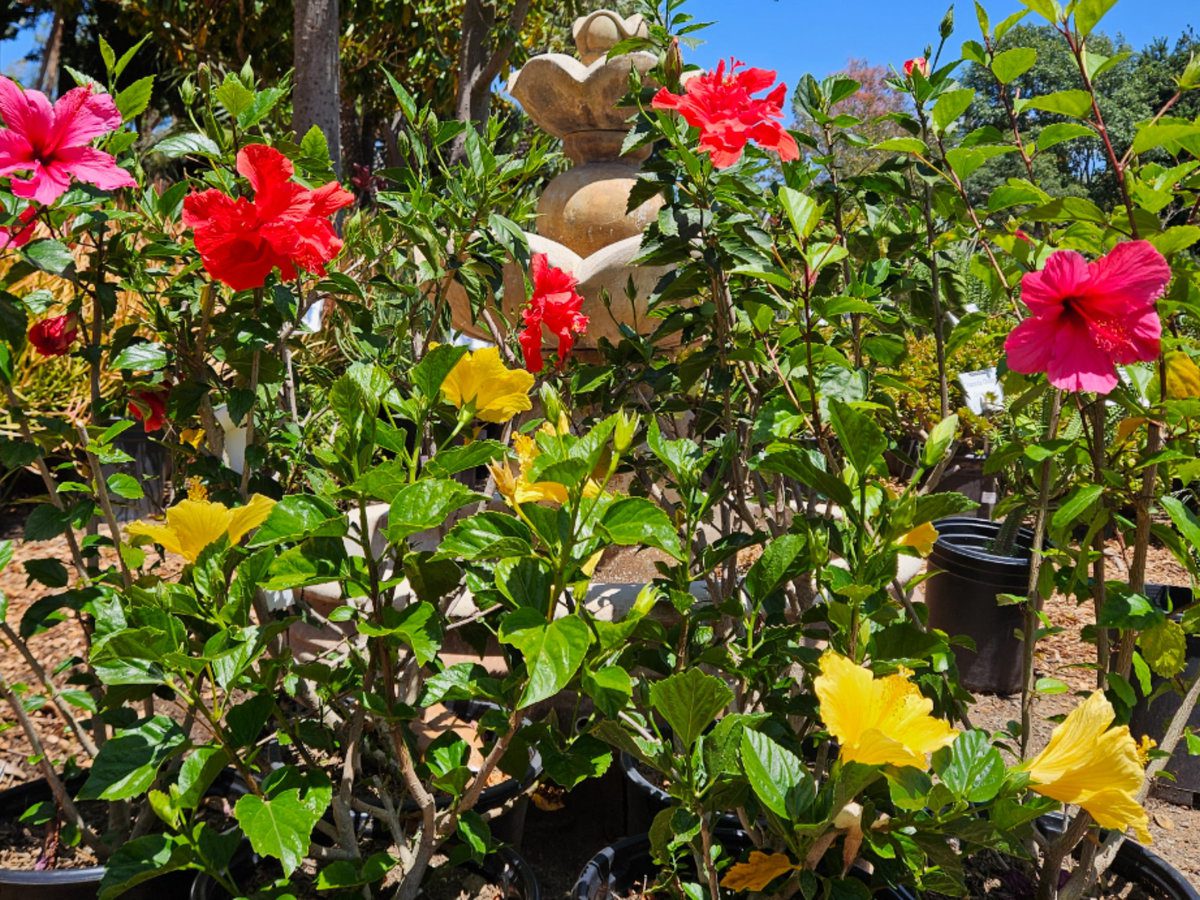
Shrubs are one of the most useful plant groups in a home landscape. They can provide year-round structure, flowers, privacy, background greenery, habitat for pollinators and a transition between trees, perennials and groundcovers. For beginner gardeners, shrubs are a good way to make a garden feel more complete and intentional.
The best shrub is not simply the prettiest plant at the nursery. It is the plant that fits the space, sun exposure, mature size and maintenance level you want. Before choosing a shrub, think about the role it will play: screen, accent, hedge, color, pollinator plant, foundation planting, or container feature.
Common Shrub Categories
Evergreen shrubs keep their foliage through the year and are often used for screening, hedges and background structure. Examples include Texas privet, Carolina cherry, boxwood, red tip photinia and similar landscape shrubs. Flowering shrubs add seasonal color and may attract butterflies, bees or hummingbirds. Examples include plumbago, grevillea, Mexican sage, lantana, lion’s tail, hibiscus, lavender, camellia, azalea, princess flower and sweet pea shrub.
Some shrubs are valued for waterwise or Mediterranean-style landscapes, including lavender, grevillea, leucadendron, leucospermum and gaura, now commonly listed botanically as Oenothera lindheimeri. Others are chosen mainly for texture, hedge potential or softening hard edges around homes and patios.
Best Uses in the Landscape
• Privacy and screening: Use taller evergreen shrubs where you need separation or a visual buffer.
• Foundation planting: Use medium or compact shrubs to soften walls, fences, and building edges.
• Color and pollinators: Flowering shrubs can bring seasonal bloom and wildlife activity.
• Mixed borders: Combine shrubs with perennials, grasses and groundcovers for layered planting.
Basic Care Tips
Most shrubs do best when planted at the correct depth, watered consistently during establishment and given enough room to reach their mature size. Mulch helps conserve moisture and reduce weeds, but keep mulch away from the base of the trunk or stems. Pruning depends on the plant type and bloom season. Some shrubs should be pruned after flowering, while others are best shaped during winter or early spring.
Common Beginner Mistakes
A frequent mistake is planting shrubs too close together or too close to walkways, windows and structures. Small nursery plants can grow much larger over time. Another mistake is shearing every shrub into the same shape, even when the plant has a naturally graceful form. Choose shrubs for their mature size and natural habit whenever possible.
Shrubs can solve many garden problems, but the right choice depends on light, water, size and purpose. Availability changes by season and demand, so contact Ganter Nursery or stop by to see which shrubs are currently available.