
Grasses and Groundcovers for Texture and Low-Maintenance Landscapes
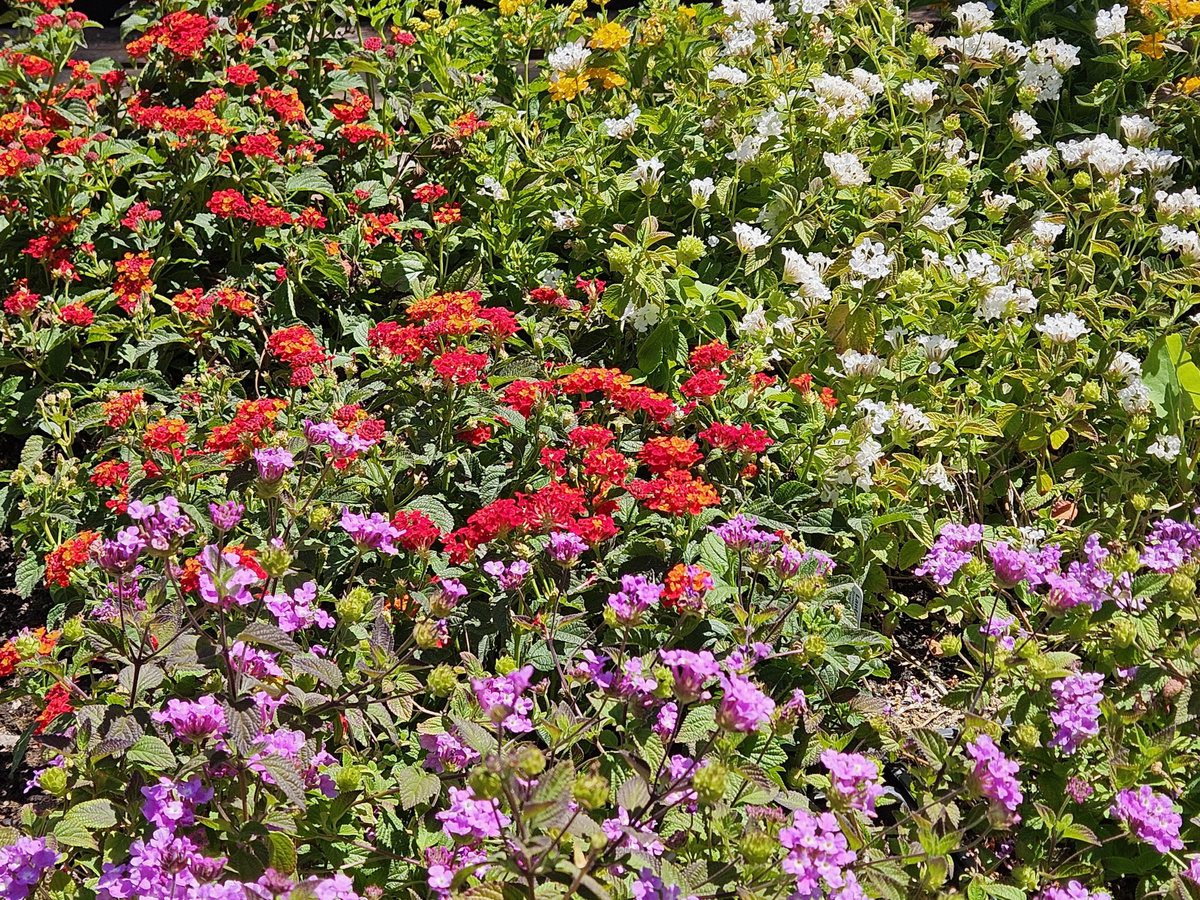
Grasses and groundcovers are often used to finish a landscape. They fill open spaces, soften hard edges, reduce exposed soil and add texture near shrubs, trees, pathways and patios. For beginner gardeners, they are helpful because many options are lower maintenance than traditional seasonal color beds.
Ornamental grasses usually grow in clumps or flowing mounds and are valued for movement, texture and seasonal plumes. Groundcovers spread lower across the soil and can help reduce weeds, cover slopes, soften pathways and create a living carpet in areas where taller plants are not desired.
Ornamental Grasses to Know
Lomandra longifolia ‘Breeze’ is a clean, strappy plant often used for borders, slopes and low-maintenance landscapes. Muhlenbergia capillaris, commonly called pink muhly or purple muhly grass, is known for airy pink to purple plumes and seasonal drama. Pennisetum selections, including bunny tails and fountain grass types, can add soft texture, but exact variety and growth habit should be confirmed before planting. Blue fescue, or Festuca glauca, offers compact blue-gray foliage for accents, rock gardens and edging.
Groundcovers to Know
Creeping thyme can provide fragrant, low-growing coverage in sunny, well-drained areas. Ajuga offers colorful foliage and spring flowers. Sedum groundcovers are useful in dry, sunny spots with good drainage. Vinca can create evergreen coverage, but gardeners should understand its spreading habit before planting. Other groundcovers may be selected based on sun, shade, water needs and how much foot traffic the area receives.
Best Uses in the Landscape
• Slopes and erosion control: Dense roots and spreading growth can help stabilize exposed soil.
• Pathway edges: Low groundcovers soften hardscape and create a more natural transition.
• Mixed borders: Grasses add movement and contrast next to shrubs and perennials.
• Low-maintenance areas: Properly chosen groundcovers can reduce weeding and bare soil.
Basic Care Tips
Choose grasses and groundcovers based on light, drainage and mature spread. Water consistently while new plants establish. Many ornamental grasses benefit from seasonal cleanup or cutting back when old foliage declines. Groundcovers may need occasional trimming to keep them within bounds.
Common Beginner Mistakes
Avoid planting spreading groundcovers without understanding how far they may travel. Also avoid mixing plants with very different water needs in the same irrigation zone. A drought-tolerant grass and a moisture-loving groundcover may not thrive with the same watering routine.
Grasses and groundcovers can make a landscape look more complete while helping with soil coverage and texture. Availability changes seasonally, so contact Ganter Nursery or stop by to see which grasses and groundcovers are currently available.