
Fruit Trees, Fruits and Berries for Beginner Gardeners
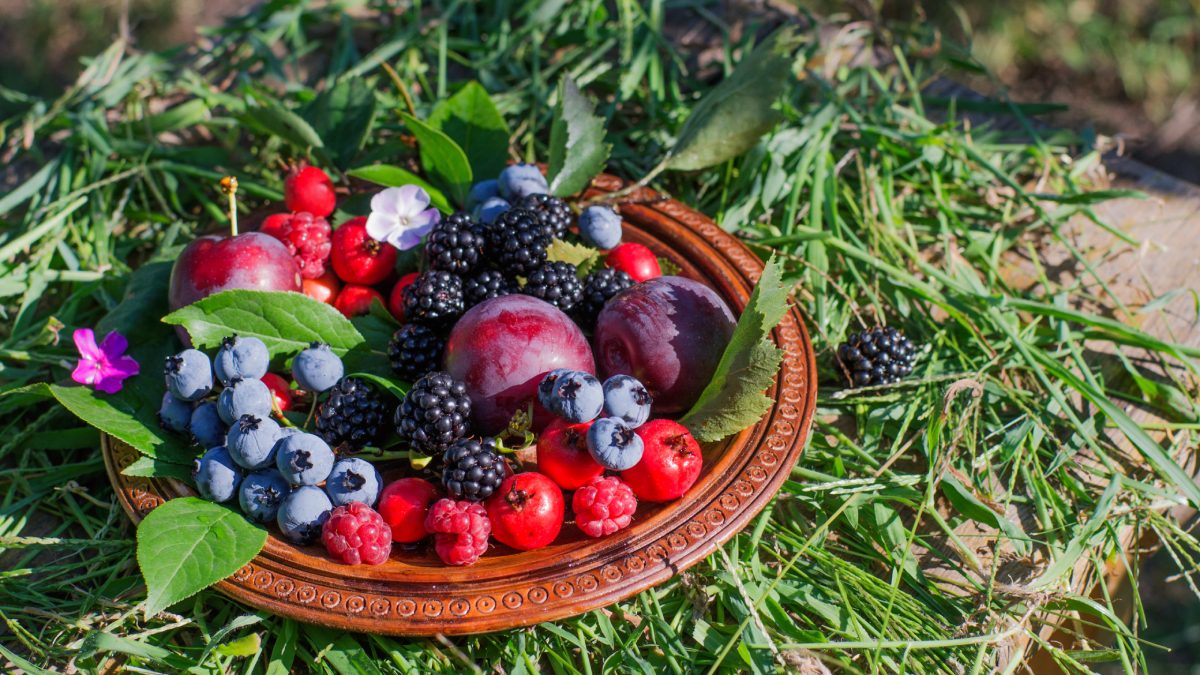
Growing fruit at home is one of the most rewarding ways to connect with your garden. Fruit trees, berries and edible landscape plants can provide flowers, fragrance, shade, seasonal color and fresh harvests. For beginner gardeners, the key is choosing plants that fit your space, sunlight, watering routine and patience level.
Some fruiting plants are compact and easy to add to a patio or raised bed. Others become long-term landscape features that need thoughtful placement and seasonal care. Before choosing a plant, think about how much room it will need when mature, how many hours of sun your yard receives, and whether you want fruit for fresh eating, cooking, preserving or simply enjoying as part of the landscape.
Why Choose Fruits and Berries
• Fresh seasonal harvests: Homegrown fruit can add flavor and enjoyment to the garden.
• Pollinator value: Many fruit trees and berry plants bloom before producing fruit, attracting bees and other beneficial insects.
• Landscape interest: Flowers, fruit, foliage and branching structure can make edible plants both productive and ornamental.
• Family-friendly gardening: Fruit and berry plants are a great way to get children and beginner gardeners interested in growing plants.
Fruit Trees for Long-Term Value
Fruit trees are best for gardeners who want a lasting feature in the landscape. Apples, peaches, plums, nectarines, pears, persimmons, pomegranates, figs, pluots, olives and avocados are examples of fruiting trees often considered by Southern California gardeners. Each type has different needs, including mature size, pruning requirements, pollination needs, and seasonal watering.
A beginner-friendly tip is to start with the location before choosing the tree. Most fruit trees need strong sun, good drainage and enough room for future growth. Some varieties also need compatible pollination partners or a certain amount of winter chill to produce well. Dwarf or semi-dwarf selections can be good options where space is limited.
Berries and Smaller Edible Plants
Berries can be a good choice for gardeners who want edible plants without committing to a full-sized tree. Strawberries work well in raised beds, containers and garden borders. Blueberries can be very rewarding, but they need acidic soil and consistent moisture, so beginners should be prepared to manage soil conditions carefully. Raspberries and blackberries can produce abundant fruit, but they need space, pruning and support.
Beginner Care Tips
• Sunlight: Most fruiting plants need at least six hours of sun, and many perform best with more.
• Soil: Good drainage is essential. Amend heavy or compacted soil before planting.
• Watering: New plants need consistent watering while roots establish. Mature fruit trees benefit from deep, less frequent watering.
• Mulch: Mulch helps conserve moisture, moderate soil temperature and reduce weeds.
• Pruning: Fruit trees and cane berries often need seasonal pruning to support healthy growth and fruit production.
Common Beginner Mistakes
The most common mistakes are planting too close to buildings or fences, choosing a fruit tree that gets too large for the space, watering shallowly instead of deeply, and overlooking pollination or chill requirements. When in doubt, ask nursery staff for guidance before planting.
A Helpful Starting Point
If you are new to fruiting plants, start with your available space and your goal. Do you want a shade tree that also produces fruit, a compact patio plant, a berry bed, or a seasonal edible garden? Once you know the role the plant will play, it becomes much easier to choose the right option.
Availability changes with the seasons and customer demand. Contact Ganter Nursery or stop by to see what fruit trees, berries and edible landscape plants are currently available.