
Vegetables and Herbs for Home Gardens
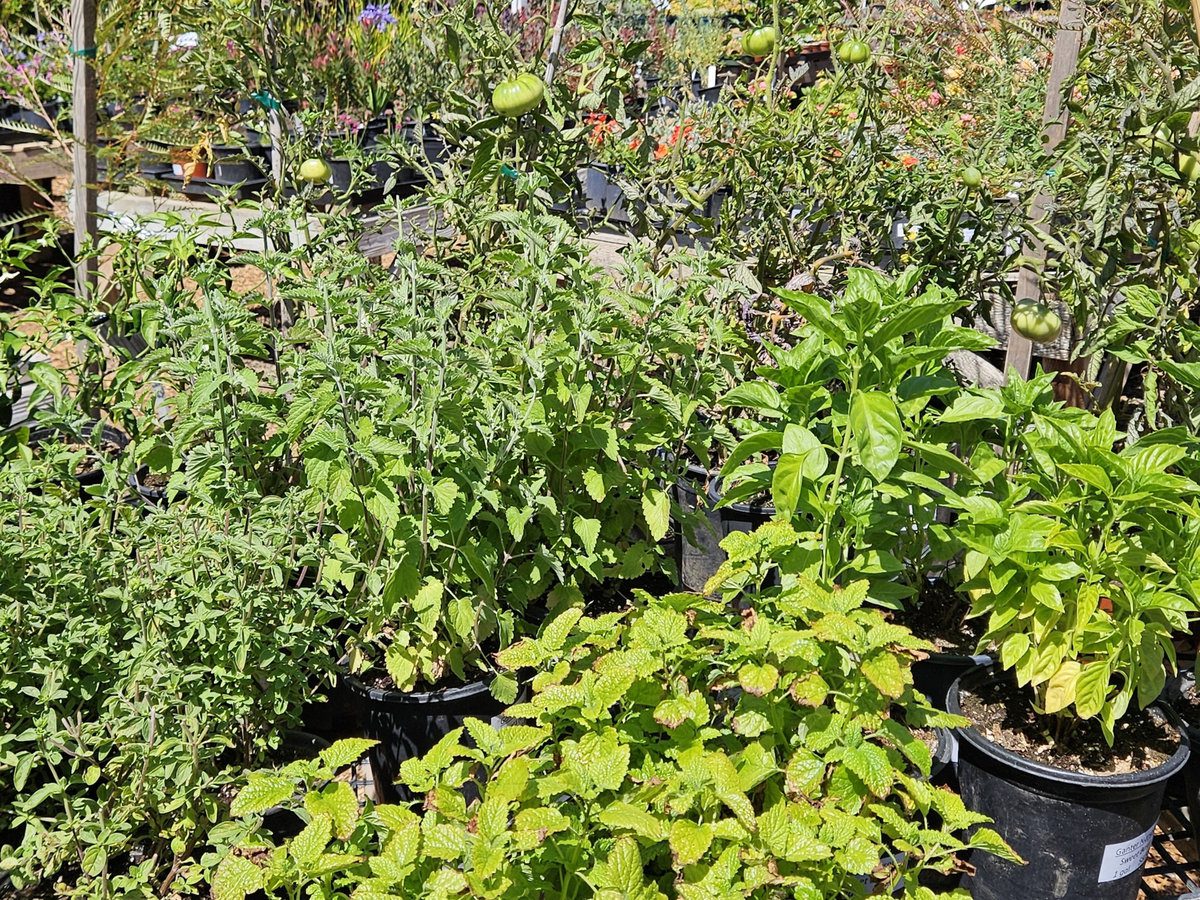
Vegetables and herbs are a practical and enjoyable way to begin gardening. They connect the garden to the kitchen and help beginners learn essential skills such as watering, soil preparation, spacing, harvesting and seasonal planting. Even a small patio, raised bed, or sunny corner can support useful edible plants.
The most important starting point is sunlight. Many vegetables need strong sun to produce well, especially crops grown for fruit, such as tomatoes, peppers, eggplants and cucumbers. Leafy greens and some herbs can tolerate slightly less sun, especially during cooler parts of the year.
Warm-Season Vegetables
Warm-season vegetables are typically planted when the weather is mild to warm and the risk of cold damage has passed. Tomatoes, peppers, eggplants, cucumbers, squash, zucchini and green beans are common examples. These crops usually need sun, consistent water and good soil fertility. They are rewarding, but they also need attention during heat, pests and heavy production.
Cool-Season Vegetables
Cool-season vegetables are grown when temperatures are milder. Lettuce, kale, spinach, broccoli, cauliflower, carrots, radishes and cilantro are examples. These crops are often more comfortable in cooler weather and can struggle during intense heat. They are helpful for gardeners who want to grow food beyond the main summer season.
Herb Gardening Made Simple
Herbs are excellent for beginners because many are compact, useful and easy to harvest. Basil thrives in warm weather and pairs well with tomatoes. Rosemary is woody, fragrant and drought tolerant once established. Thyme and oregano are low-growing and useful in cooking. Parsley, cilantro and chives are good for fresh use. Mint is best grown in containers because it can spread aggressively in garden beds.
Best Uses for Vegetables and Herbs
• Raised beds: Useful for improving drainage, soil quality and access.
• Containers: Good for herbs, lettuce, peppers, compact tomatoes and small-space gardening.
• Kitchen gardens: A sunny area near the home makes harvesting easier.
• Mixed edible beds: Combine vegetables, herbs and pollinator-friendly flowers where space allows.
Basic Care Tips
Prepare soil with compost or other organic matter, water consistently and avoid letting young plants dry out. Mulch can help reduce moisture loss. Harvest herbs regularly to encourage new growth, and pick vegetables when they are mature but still tender. Rotate crops when possible to reduce pest and disease pressure.
Common Beginner Mistakes
Common mistakes include planting too many vegetables at once, crowding plants too tightly, underestimating how large tomatoes and squash can become, and planting cool-season crops during the hottest part of the year. Start with a manageable number of plants and build from there.
Vegetables and herbs are seasonal, so availability changes throughout the year. Contact Ganter Nursery or visit to see which vegetable starts, herbs and edible garden plants are currently available.